Gynaecology & Female Health: Clinical Insights

By Robin Marchment

Standard Certificate (29), NCCAOM (28.5)
Access Period: Lifetime
Series Length: 29hrs

Series Overview

This series of courses was inspired by my deep interest in Chinese medicine and the awe in which I hold its efficacy. Whilst starting out in general practice, I found my patient base increasingly turning to women’s health in all of its phases – and particularly in reproductive health. The courses cover a range of issues including dysmenorrhoea, endometriosis, abnormal uterine bleeding, PCOS, fertility (male and female), pregnancy, childbirth, and recovery during the postpartum period.

The courses are faithful to the essential principles of Chinese medicine and its unique science of differential diagnosis however, they also provide well-researched information on the perspective and knowledge of contemporary bioscience. Understanding the physiology from that perspective adds to our data as well as enabling us to expand our understanding and better discuss the condition with our patients and with other treating health practitioners.

The series of courses covers the important issues facing women – which are the important issues facing us in our clinical practice. Each course explains current Western medical knowledge, Robin’s interpretation of Chinese medicine theory, and also explains the application of Chinese medicine theory through the detailed discussion of a broad range of genuine case studies.

Dysmenorrhoea Endometriosis & Abnormal Uterine Bleeding

Menstrual problems impact women’s health and enjoyment of life. Pain and excessive bleeding are significant issues for many women. Mechanisms of pain differ and excessive bleeding patterns vary. These complaints are well treated by Chinese medicine
Total CPDs: 3.5
Standard Certificate (3.5), NCCAOM (3.5)
Access Period: Lifetime
Course Length: 3.5hrs
Course Notes: Notes are provided with this course.

Course Overview

The clinical practice series on gynaecology and female health addresses the most common issues encountered in clinic. The course on Dysmenorrhoea, Endometriosis and Abnormal Uterine Bleeding covers the many presentations of painful menstruation and excessive menstrual bleeding that are suffered by women who seek help from us in our clinic. Topics of discussion include: (1) Chinese medicine physiology of the relevant vessels and the interrelationship of the Ren, Chong Du and Zangfu (2) A discussion of Tian Gui (3) Patterns of pain, excessive bleeding (AUB and DUB), disordered menstruation (4) Mechanisms of pain in Dysmenorrhoea (5) Mechanisms of pain in Endometriosis (6) The various patterns of AUB: Excessive bleeding, Beng Lou (Flooding and trickling) and disordered menstrual cycles (7) 7 genuine case studies – with the usual complexities encountered in the clinic (8) Information on herbs, formulas, modifications and patent alternatives

Course Objectives

  • Understand the functions and interrelationships of relevant vessels and zangfu including the concepts of Zigong, Tian Gui, Shao fu and Xiao fu and their implications for treatment decisions, so as to determine appropriate, effective treatment
  • Gain a deeper knowledge of dysmenorrhoea: presentations, patterns, treatment, effects of progesterone, prostaglandins, prostacyclin, and the physiological effects of linolenic/linoleic acid, evening primrose oil, vitamin B6, zinc and magnesium.
  • Understand the clinical features and causes of endometriosis, its mechanism of pain, the mechanical and chemical factors affecting fertility, its emotional impact, Western treatment options and outcomes, and Chinese medicine treatment options.
  • Understand the range of diagnostic options for endometriosis and dysmenorrhoea with treatment approaches via discussion of genuine case studies including formulas
  • Understand various types of excessive uterine bleeding, the role of progesterone, the association with fibroids and the range of Chinese medicine patterns and fine-tuned treatment options via discussion of genuine case studies including formulas

Course Outline

0 hrs - 15 min
Fundamental functional concepts of Chinese medicine pertaining to menstruation and reproductive health, including the interrelationship and mutual support of the Zangfu, Jingluo, extraordinary vessels and the significance of Tian Gui.
15 min - 45 min
Explanation of dysmenorrhea, its incidence, clinical presentation, patterns, treatment, the mechanisms pf pain and effects of progesterone, prostaglandins,linolenic/linoleic acid, evening primrose oil, vitamin B6, zinc and magnesium.
45 min - 1.5 hrs
The difference between endometriosis and adenomyosis, the specific mechanism of pain, the mechanical and chemical factors affecting fertility, the emotional effects, Western treatment options, and the clinical approaches of Chinese medicine.
1.5 hrs - 2 hrs
Discussion of genuine clinical case histories of dysmenrrhoea and endometriosis with herbal and acupuncture formulas
2 hrs - 3.5 hrs
Definition of AUB and DUB, the different patterns of excessive uterine bleeding in clinical practice, the treatment of a range of patterns, including disordered enetrual bleeding, and how not all patterns fit into the pattern of “Beng Lou”.

Fertility: The Clinical Reality

Comprehensive, essential information on male and female fertility based on Robin’s extensive clinical experience in Chinese medicine with reference to medical bioscience. Robin shares 24 cases illustrating a range of presentations and conditions.
Total CPDs: 13
Standard Certificate (13), NCCAOM (13)
Access Period: Lifetime
Course Length: 13hrs
Course Notes: Notes are provided with this course.

Course Overview

This course goes beyond the fundamentals of an undergraduate course and provides a level of detail not found in most Chinese medicine texts on fertility. While staying true to the ideals of Chinese medicine, Robin provides information from modern bioscience on the processes of fertilization, implantation and embryonic development that can be used to enhance and refine our treatment approaches. It covers the many aspects of male and female reproductive health that affect fertility, the many steps needed to achieve conception, and the barriers that need to be overcome to achieve established pregnancy. These include immune mechanisms, sperm-zona pellucida binding, DNA fragmentation, trophoblast function and dysfunction, and discussion of the mechanisms of endometriosis, epilepsy, PCOS and its connection to epilepsy, and how these conditions interfere with conception and implantation. Issues of male reproductive health and the global decline in male fertility are discussed. Robin shares clinical treatment approaches and formulas of 24 case studies covering a wide range of patterns, ages and conditions, each with its individual formula modifications, and offers practical advice that you can implement in your own clinical practice.

Course Objectives

  • Understand historical Chinese medicine knowledge of fertility. Know the requirements for conception from a Chinese medicine and a biomedical perspective. Understand the stages of embryonic development in the first trimester
  • Acquire a deeper understanding of differential diagnosis and treatment strategies needed to support both male and female reproductive health. Understand the factors affecting conception and sustained pregnancy and the phenomena of superfertility
  • Hurdles encountered from conception to birth: conception, miscarriage, immune mechanisms, DNA fragmentation, epilepsy, PCOS, endometriosis, endometrial thickness etc. Understand the effects of the morning after pill as against mifepristone
  • Understand IVF drugs and their functions and various IVF protocols; Effects of age on fertility; Egg freezing; IVF costs and success rates; Acupuncture research protocols; Protocols vs holistic treatment
  • Understand the effects of vaccination on pregnancy and reproductive health

Course Outline

0 hrs - 15 min
History of Gynaecology and fertility in Chinese medicine (slides 15-28) Literature; Anatomy; Pillow books; Infertility; Conception - as described in classic texts.
15 min - 30 min
Overview of fertility, conception and pregnancy. Definitions and fertility rates; Infertility vs subfertility; Prerequisites for conception in Chinese medicine; Biological requirements for conception and pregnancy
30 min - 2 hrs
Assisting fertility - Male and female reproductive health; Diagnosis and treatment. Perspectives of Chinese medicine; Differential diagnosis; Chinese medicine strategies; Ovarian loss; Global decline in global sperm health. Case studies.
2 hrs - 3 hrs
Physiological foundations for fertility. Factors affecting conception; Tian Gui; Male and female reproductive health; Cervical mucus (functions and types); Tubal health; Endometrial health; Male and female factors affecting conception. Case studies.
3 hrs - 4.5 hrs
The first trimester: Follicular development; Spermatogenesis; Antisperm antibodies; Ovulation; Fertilisation; Implantation: Embryonic development; Tubal transport & nutrition; Trophoblast function/dysfuntion; The morning after pill vs mifepristone
4.5 hrs - 6.5 hrs
IVF protocols: Statistics and acupuncture research; IVF drugs and their functions, protocols, costs, success rates. Effects of age on fertility; Egg freezing; Acupuncture research protocols; Protocols vs holistic treatment; Case study.
6.5 hrs - 8.5 hrs
The journey from conception to established pregnancy. Embryonic development; Ectopic pregnancy; Abortion & miscarriage - causes: luteal defect, PCOS, diabetes, DNA fragmentation, immune mechanisms, APS, endometrial thickness, age; Case studies
8.5 hrs - 10 hrs
Factors in conception and sustained pregnancy (Part A): Endometriosis, PCOS, Epilepsy, Case studies
10 hrs - 11.5 hrs
Factors in conception and sustained pregnancy (Part B): Infections; Diabetes, Thyroid disease, Abdominal complications; Abruptio placentae; IUGR, Pre-eclampsia; Menstrual irregularity; Lifestyle factors; Case studies
11.5 hrs - 12.25 hrs
Effects of vaccination on pregnancy and reproductive health. Considerations: Pros and Cons; Separating fact from fiction; Sorting out the half-truths; Hypothesis vs substantiated fact
12.25 hrs - 13 hrs
Superfertility: Superfetation; Superfecundation; Useful herbal formulas to consider, Case study analysis

PCOS in Chinese Medicine: Treatment approaches and clinical trials

Essential information on the features, diagnostic criteria, mechanisms, endocrine picture, and implications for health and fertility in women with PCOS. Robin discusses Chinese medicine approaches, clinical trials, and shares her clinical experience.
Standard Certificate (1.75), NCCAOM (1.5)
Access Period: Lifetime
Course Length: 1.75hrs
Course Notes: Notes are provided with this course.

Course Overview

- Polycystic ovary syndrome (PCOS) is a complex condition that can have a disputed diagnosis. This course presents essential and detailed information for the dedicated practitioner to ensure they are knowledgeable in the field of women’s health, where 6-9% of women are diagnosed with PCOS. - This course covers the clinical features, diagnostic criteria, mechanisms, endocrine anomalies and the broader implications for health and fertility in women with PCOS. - The facts and ramifications of insulin resistance are explained, as well as the connection between PCOS and epilepsy. - The Chinese medicine approach is explained and case studies are discussed, with particular reference to formula modification. - Clinical trials, their design and findings are presented and discussed.

Course Objectives

  • Know the clinical features and diagnostic criteria of PCOS, the variations in presentation and the reasons for disputed diagnosis. Be aware of diagnostic tests, their findings, the endocrine anomalies and their implication for health.
  • Understand the possible aetiologies, the mechanisms and the role of insulin in PCOS.
  • Understand the implications of PCOS for fertility and for general health, the link between PCOS and epilepsy, diabetes, obesity, insulin resistance, cancer, unhealthy lipid/cholesterol profile, hypertension, and myocardial infarction.
  • Comprehend the various aspects of the Chinese medicine approach in diagnosis and treatment, the underlying patterns, the need for an individualised approach, and the benefit of accommodating bioscientific knowledge to refine the treatment.
  • Be able to evaluate different clinical approaches in genuine clinical cases, identify the rationale of the approaches in respect of the presentation, and the reason for herb selection. Be able to evaluate clinical trials and their outcomes.

Course Outline

0 hrs - 30 min
Clinical features and diagnostic criteria of PCOS; Variations in presentation; Reasons for disputed diagnosis; Diagnostic tests; Diagnostic findings; Endocrine anomalies; Implication for health.
30 min - 45 min
Understand the possible aetiologies, the mechanisms and the role of insulin in PCOS.
45 min - 1 hrs
The implications of PCOS in fertility and general health; The link between PCOS and epilepsy, diabetes, obesity, insulin resistance, cancer, unhealthy lipid/cholesterol profile, hypertension, and myocardial infarction.
1 hrs - 1.25 hrs
Various aspects of the Chinese medicine approach in diagnosis and treatment; Underlying patterns, the need for an individualised approach, and the benefit of accommodating bioscientific knowledge to refine the treatment.
1.25 hrs - 1.75 hrs
Examination and evaluation of clinical cases; Identification of the rationale of various approaches in respect of the presentation; Reason for herb selection; Evaluation of clinical trials and their outcomes, findings and conclusions.

Issues in the Postpartum Period

Short course on the physiology of women in the postpartum and issues affecting them with 12 case studies. Excerpted from the complete course “Pregnancy, Childbirth and the Postpartum” where cases and treatments are more detailed.
Total CPDs: 1.5
NCCAOM (1.5), Standard Certificate (1.5)
Access Period: Lifetime
Course Length: 1.5hrs
Course Notes: Notes are provided with this course.

Course Overview

The postpartum period is often given less focus than it deserves. Chinese medicine offers both proactive (preventative/supportive) treatment as well as treatment for specific disorders. This course is an excerpt from the complete course "Pregnancy Childbirth and the Postpartum" (Course 1.5) where all three areas are discussed, and where explanations, case studies and treatments are more detailed. Nevertheless, this course covers the key points and gives an overview of 12 case studies and the principles of treatment. We examine the maternal physiological changes e the maternal physiological changes in the 3 stages of the puerperium or postpartum period to understand more clearly what is affecting our clients and from there, how we can be more effective in our treatments. The course covers the many areas of physical and emotional health affected, and the three types of postnatal depression are discussed. Genuine cases from Robin’s clinic are shared, covering 12 commonly encountered situations including recovery from termination and miscarriage, support of healing in a non-healing episiotomy wound, anxiety and dizziness, fatigue and poor milk supply, lethargy and weight gain, fatigue and distress, nipple thrush, persistent postpartum hemorrhage and hair loss, prolapse, hemorrhoids and postnatal depression.

Course Objectives

  • Understand maternal physiology in the puerperium, the effects of pregnancy on the mother, the tissues and systems affected (including cardiovascular and hormonal changes), involution and the physical and emotional demands of caring for a new baby.
  • Understand the three types of postnatal depression, their implications, and when to refer.
  • Know the various approaches of Chinese medicine in diagnosis and treatment, the underlying patterns, and the need for an individualised approach through the examination of 12 case studies on disorders commonly seen in the postpartum.

Course Outline

0 hrs - 15 min
Overview of postpartum care, the rationale of treatment, what can be treated, and the value of proactive treatment.
15 min - 45 min
Stages of the puerperium; Involution of the uterus; Effects of pregnancy and childbirth on organs, ligaments, tissues, bone density, cardiovascular system, haematology; Pelvic prolapses; Metabolic and hormonal changes.
45 min - 1 hrs
The three types of postnatal depression, their implications, and when to refer.
1 hrs - 1.5 hrs
Examination and evaluation of clinical cases; Identification of the rationale of various approaches in respect of the presentation; Reason for herb selection; Useful patent formulas; Clinic considerations.

Pregnancy Childbirth and the Postpartum

Comprehensive course on women’s physiology and maternal changes in pregnancy, childbirth and the postpartum period that explain events and disorders that arise. Genuine cases are described, illustrating a range of disorders and presentations.
Total CPDs: 7
Standard Certificate (7), NCCAOM (7)
Access Period: Lifetime
Course Length: 7hrs
Course Notes: Notes are provided with this course.

Course Overview

This course examines the maternal physiology of pregnancy, childbirth and postpartum and the associated events and disorders in terms of both Western and Chinese physiology. Clinical insight is provided with 49 genuine cases addressing both proactive care and active are discussed. It covers: 1. Maternal adaptation in pregnancy: cardiovascular, hormonal, metabolic etc. 2. The pulse in pregnancy 3. Contraindicated acupuncture points and herbs 4. Morning sickness, hyperemesis gravidarum, gestational diabetes, insomnia, fatigue, prolapse, carpal tunnel, eczema, dry stools, anxiety, threatened miscarriage, vaginal discharge, bowel obstruction 5. Physiology and stages of labour. Lie, position, presentation, cephalo-pelvic disproportion, malpresentation: Breech and posterior position 6. Preparation for labour, cervical ripeness, Bishop score, acupuncture assistance, pre-eclampsia 7. Use of acupuncture in the preparation for labour; Overdue or unestablished labour 8. Time-frames of labour. Support in childbirth to optimize labour outcomes. Facilitating labour with acupuncture. Agpar score. 9. Physical and physiological changes in the puerperium; Involution, genitourinary recovery, pelvic floor, bone density, breasts, hematology, cardiovascular, renal, metabolic and hormonal changes; Postnatal depression and psychosis 10. Recovery from miscarriage; Non-healing episiotomy wound; Postpartum haemorrhage; Anxiety, dizziness, fatigue; Poor milk supply, nipple thrush; Prolapse; Haemorrhoids, Postnatal depression

Course Objectives

  • To understand Chinese and Western medicine views of maternal physiology and adaptation to pregnancy, the problems that can arise and the treatment options of Chinese medicine using genuine clinical cases with a focus on individualised treatment
  • To understand the physiology of labour, the relevance of lie and position, risks and complications, treatment for malposition and overdue dates, and the principles of childbirth support to optimise outcomes for mother and child using genuine cases.
  • To understand stages of the puerperium and their significance including involution, haemorrhage, recovery of organs and tissues, bone density, cardiovascular, renal, hormonal and metabolic changes, haematology and psycho-emotional issues.
  • To understand Chinese medicine treatment options for mild postpartum problems as well as more serious problems such as persistent postpartum haemorrhage, failed healing of episiotomy wound, prolapses and postnatal depression using genuine cases.

Course Outline

0 hrs - 15 min
This course examines the maternal physiology of pregnancy, childbirth and the postpartum and the associated events and disorders. To provide clinical insight, 49 genuine clinical cases addressing both proactive care and active are discussed.
15 min - 1 hrs
Maternal adaptation in pregnancy: cardiovascular, hormonal, metabolic and other changes. The pulse in pregnancy and contraindicated acupuncture points and herbs are discussed in depth. Relevant Chinese medicine female physiology is explained.
1 hrs - 2 hrs
Chinese medicine treatment of morning sickness, hyperemesis gravidarum, gestational diabetes, insomnia, fatigue, prolapse, carpal tunnel, eczema, dry stools, anxiety, threatened miscarriage, vaginal discharge, bowel obstruction (17 genuine cases).
2 hrs - 3.5 hrs
Physiology and stages of labour. Lie, position, presentation, cephalo-pelvic disproportion, malpresentation: Breech and posterior position (8 cases).
3.5 hrs - 4 hrs
Preparation for labour, cervical ripeneness, Bishop score, acupuncture assistance, pre-eclampsia Use of acupuncture in the preparation for labour (2 cases); Overdue or unestablished labour (6 cases).
4 hrs - 4.5 hrs
Time-frames of labour. Support in childbirth to optimise labour outcomes for mother and child. Agpar score. Facilitating labour with acupuncture (easing back pain and nausea, regulating contractions to ease pain and increase efficacy. (3 cases).
4.5 hrs - 5.5 hrs
Physical and physiological changes in the puerperium; Pro-active care. Involution, genitourinary recovery, pelvic floor, bone density, breasts, haematology, cardiovascular, renal, metabolic and hormonal changes; Postnatal depression and psychosis.
5.5 hrs - 7 hrs
Recovery from termination and miscarriage; Non-healing episiotomy wound; Prolonged postpartum haemorrhage; Anxiety, dizziness, fatigue; Poor milk supply, nipple thrush; Prolapse; Haemorrhoids Postnatal depression.

Tian Gui & its Clinical Application

Tian Gui, associated esoteric concepts and references in classic literature. Explanation of its function in sexual development in accordance with Chinese medicine and physiological parallels in bioscience. Application using genuine clinical cases.
Standard Certificate (2.25), NCCAOM (2)
Access Period: Lifetime
Course Length: 2.25hrs
Course Notes: Notes are provided with this course.

Course Overview

Tian Gui is not always well understood. This course takes you on a cultural journey from its origins in esoteric theory through to its clinical application in genuine case studies. In the course we look at its conceptual origins, the 10 heavenly stems and 12 earthly branches, the 28 constellations and the Four Guardian Spirits. Its place in the Five Element system is also discussed. We examine descriptions and definitions in classic literature, its functions in accordance with Chinese medicine, and the concordance of those functions with modern biological theory. The course explains the role of Tian Gui in Chinese medicine reproductive physiology, and genuine cases from Robin’s clinic are shared, covering a range of presentations with individual treatments.

Course Objectives

  • Understand the conceptual origins of Tian Gui and associated esoteric concepts in ancient theory, including astronomy, the 28 constellations and the Four Guardian Spirits.
  • Understand definitions of Tian Gui in classic and recent literature, its functions in Chinese medicine and the concordance of those with modern biology. Know the role and clinical application of Tian Gui in Chinese medicine reproductive physiology.
  • Be able to understand how Tian Gui relates to clinical cases and discuss the cases, the presentations and the treatment.

Course Outline

0 hrs - 15 min
The historical and cultural origins of the concept of Tian Gui are explained. Related esoteric concepts are also described.
15 min - 45 min
The nature and character of the Four Guardian Spirits is described. The relationship of the Guardian Spirits to 5 element theory is explained.
45 min - 1.25 hrs
The properties and functions of Tian Gui are described with reference to classic literature. Its function compared with modern biological concepts is discussed. The role of Tian Gui in reproductive physiology in Chinese medicine is explained.
1.25 hrs - 1.75 hrs
The clinical application of the concept of Tian Gui is explained in relation to delayed development. Clinical cases of both male and female patients are discussed.
1.75 hrs - 2.25 hrs
The clinical application of the concept of Tian Gui is explained in relation to PCOS. Clinical cases with various presentations are discussed.

Disclaimers:

Accessing Your Series
After checking out, your email address will be sent to Net of Knowledge securely and you will gain instant access to your series. If you do not have a Net of Knowledge account yet, one will be created for you automatically and you will receive an email with a link to set up your password. Log in to your account at netofknowledge.com and start learning!
Unlimited Access and CEUs
You will have unlimited access to this series for as long as it is on Net of Knowledge, so that you can keep reviewing and learning from it over the years. CEU requirements must be completed within 1 year from the purchase. During this time, you must view the training and complete any required documents to get your certificate. You must also print and save your certificate for your own records. Each individual course has a separate certificate of completion. There is no certificate for the entire series.
Cancellation Policy
Please note we do not offer refunds for our recorded online courses/webinars.
Note
These recordings are available in an online format only; you will not receive a DVD or physical copy of the recording – they are only available to watch on the internet through your online account.
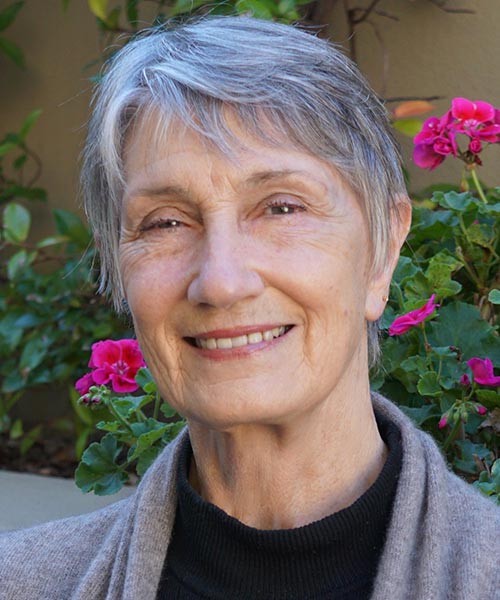
Taught by Robin Marchment

Robin is a registered herbalist and acupuncturist, having completed internships at Chinese hospitals in Guangxi and Xi’An where her focus was on gynaecology. She is lecturer, practitioner and is author of “Gynaecology Revisited” and co-author of “Shang Han Lun Explained”.
View full bio